
Best Diet for Joint Pain Relief
Discover the science-backed nutritional approach to supporting your joint health through everyday foods and smart dietary choices.
The information on this site is for educational purposes only and does not constitute medical advice. Always consult a qualified healthcare professional before making health decisions.
Your 4-Week Wellness Journey
Foundation Building
Eliminate processed foods and introduce omega-3 rich sources like fatty fish, walnuts, and flaxseeds. Begin tracking how different foods affect your comfort levels.
Add Anti-Inflammatory Foods
Incorporate colorful vegetables like berries, spinach, and bell peppers. Add turmeric and ginger to your meals daily. Stay consistent with hydration and herbal teas.
Optimize Nutrients
Focus on bone-supporting minerals: calcium from leafy greens, magnesium from nuts, and vitamin D from fortified foods. Prepare simple, nutrient-dense meals ahead.
Sustain & Monitor
Establish your personal dietary patterns that work best. Note energy levels and comfort improvements. Plan your long-term nutrition approach.
Anti-Inflammatory Foods That Work
Why Food Matters for Joint Support
The foods you eat directly influence how your joints feel and function. Certain nutrients work at a cellular level to support the tissues surrounding your joints, helping maintain their structure and reduce everyday discomfort.
Omega-3 fatty acids, polyphenols from colorful plants, and minerals like magnesium and calcium are the nutritional pillars of a joint-supportive diet. When combined consistently, these foods create an internal environment that supports optimal joint function.
-
Fatty Fish & Seeds
Salmon, sardines, flax, and chia provide essential omega-3s for cellular health
-
Colorful Vegetables
Berries, spinach, broccoli, and carrots contain protective antioxidants
-
Spices & Herbs
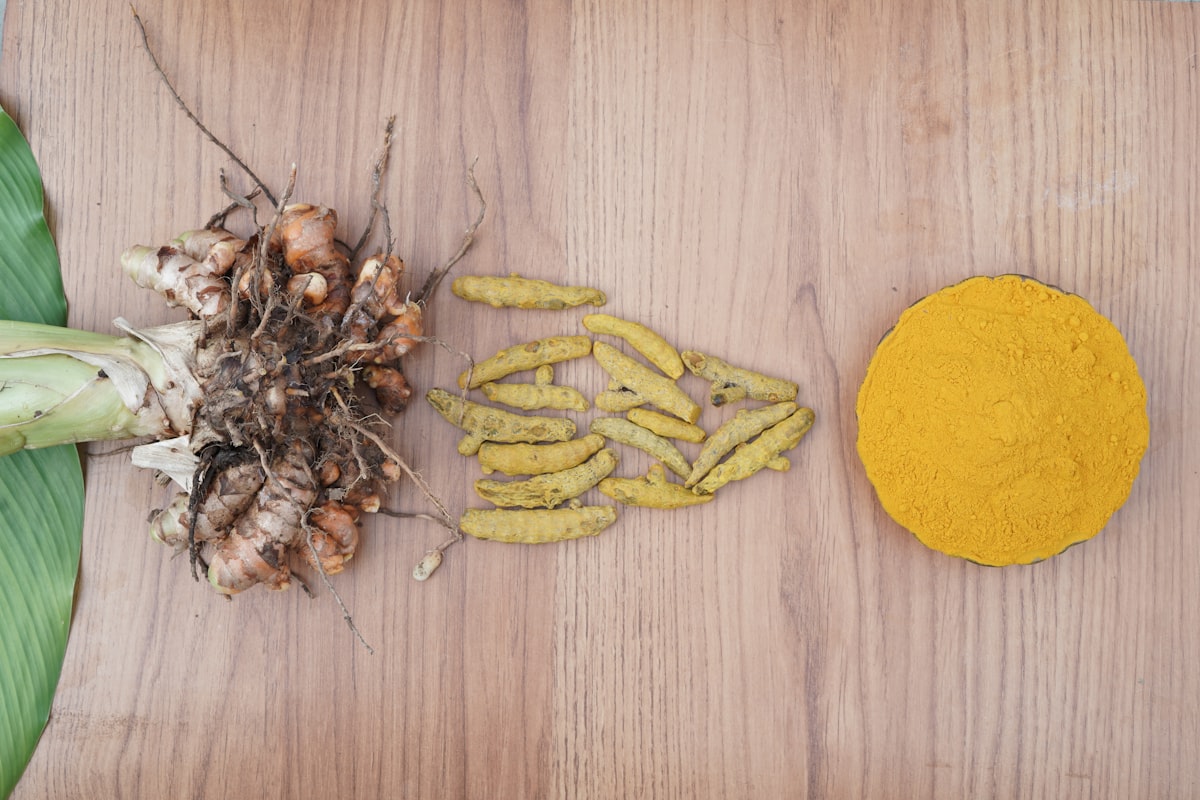
Turmeric, ginger, and garlic have been used for centuries in traditional nutrition
-
Bone Broth & Collagen
Natural sources provide amino acids that support connective tissue integrity
Essential Nutrients for Joint Support
Omega-3 Fatty Acids
Found abundantly in fatty fish, walnuts, and flaxseeds, omega-3s support the body's natural cellular processes. These nutrients are particularly important for maintaining the integrity of joint tissues and reducing everyday discomfort associated with movement.
Top sources: Wild salmon, mackerel, sardines, chia seeds, hemp seeds
Antioxidants & Polyphenols
Vibrant fruits and vegetables are packed with protective compounds that support cellular health throughout your body. Berries, dark leafy greens, and colorful peppers provide a spectrum of antioxidants that work synergistically to promote overall wellness.
Top sources: Blueberries, spinach, kale, broccoli, turmeric, green tea
Minerals: Calcium & Magnesium
These essential minerals work together to support bone structure and muscle function. Adequate intake through whole foods helps maintain the skeletal framework that supports your joints during daily activities and movement.
Top sources: Leafy greens, almonds, pumpkin seeds, tahini, fortified plant milks
Vitamin D
Often called the sunshine vitamin, vitamin D plays a crucial role in calcium absorption and immune function. Regular exposure to sunlight combined with dietary sources helps maintain optimal vitamin D levels, which are essential for overall skeletal support.
Top sources: Fatty fish, egg yolks, mushrooms, fortified foods, sunlight exposure
Curcumin & Gingerol
These bioactive compounds from turmeric and ginger have been valued in traditional cuisines for thousands of years. They support the body's natural cellular processes and are best absorbed when consumed with healthy fats and black pepper.
Top sources: Fresh turmeric root, turmeric powder, fresh ginger, ginger powder, black pepper
Collagen & Amino Acids
Collagen is a structural protein found throughout connective tissues. Consuming collagen-rich foods and bone broth provides amino acids that support the integrity of joints, cartilage, and surrounding tissues, promoting long-term joint function.
Top sources: Bone broth, fish skin, chicken skin, citrus fruits, berries
Common Questions About Joint Pain Diet
Q: How quickly will I notice changes in my comfort levels?
Most people report noticeable changes within 2-3 weeks of consistent dietary adjustments. However, optimal results develop over 8-12 weeks as your body adapts to increased nutrient intake. Individual responses vary based on baseline nutrition, activity level, and overall lifestyle factors. Keep a food journal to track personal patterns.
Q: Can I follow this dietary approach while managing other health goals?
Absolutely. This nutritional framework complements most dietary approaches because it focuses on whole foods and essential nutrients. Whether you follow plant-based, Mediterranean, or other dietary patterns, the principles of anti-inflammatory nutrition remain applicable. Always align any significant dietary changes with your personal health goals and preferences.
Q: What foods should I avoid?
Focus on reduction rather than elimination. Heavily processed foods, refined sugars, and excessive sodium are worth minimizing, as they may contribute to inflammatory responses in your body. Ultra-processed oils and artificial additives offer little nutritional value. Instead of strict avoidance, gradually replace these with whole-food alternatives and observe how you feel.
Q: Is supplementation necessary?
A well-planned diet based on whole foods provides most necessary nutrients. However, some people may benefit from targeted supplementation depending on dietary restrictions or specific needs. Vitamin D and omega-3 supplementation may be worth considering for those with limited sun exposure or restrictive diets. Consult with a nutrition-focused resource before beginning any supplement regimen.
Q: How do I maintain this approach long-term?
Sustainability comes from finding recipes and meals you genuinely enjoy. Meal planning, batch cooking, and exploring diverse cuisines prevent boredom. Join communities interested in health-conscious eating, share recipes with friends, and celebrate small victories. Remember that perfection is not the goal—consistency and enjoyment are what create lasting dietary habits.
Q: Can this approach work for all ages?
The principles of nutrient-dense whole foods benefit people at every life stage. Children, adults, and older adults can all benefit from anti-inflammatory, nutrient-rich eating patterns. Adjust portion sizes and food textures based on individual needs and preferences. This approach supports lifelong joint and overall wellness across all age groups.
Real Stories from Our Community
"I started following these dietary principles about two months ago, and the difference has been remarkable. I'm moving more freely in the mornings, my energy throughout the day is noticeably higher, and I feel genuinely better overall. The recipes are practical and delicious—I don't feel like I'm dieting at all."
Markéta Bednáriková
Brno
"As someone who spends hours at my desk, I was looking for a realistic approach to better nutrition. These guidelines are science-based but not overwhelming. I've incorporated more fish, colorful vegetables, and spices into my meals. The improvement in how I feel has motivated me to stay consistent."
Jiří Novotný
Prague
Download Your Free Joint Health Meal Plan
Get a practical, 2-week meal plan with breakfast, lunch, dinner, and snack ideas—all designed around the anti-inflammatory nutrients your body needs. Plus shopping lists and simple meal prep tips.
No spam, no sales. Unsubscribe anytime.
Instant download • PDF format • Mobile-friendly
Start Your Joint-Health Journey Today
Transform how you feel through informed dietary choices. Explore our comprehensive food database, discover tested recipes, and learn the nutritional science behind every recommendation.